Exploring Terraria: The 2D Sandbox That Redefined Adventure and Progression
Terraria is one of those games that proves depth, freedom, and creativity can coexist beautifully.
With its pixel art aesthetic and its finely tuned blend of exploration, survival, and building, the game has built a massive fanbase and established itself as a true benchmark within the sandbox genre.
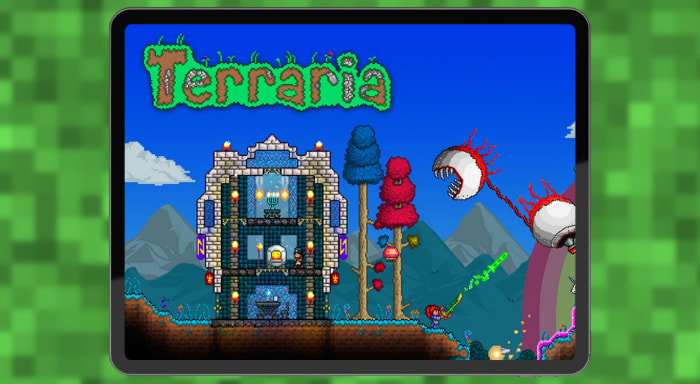
The premise is simple: you spawn in a brand-new world with minimal tools and no resources—and from that point on, everything depends on your choices. It’s this balance between simplicity and steadily increasing complexity that makes Terraria so engaging.
In this complete review, we’ll take a deep dive into the game’s core elements: mechanics, combat, crafting, biomes, progression, available platforms, challenges, and of course, the unique charm that turned Terraria into a modern classic.
What Is Terraria?
Terraria is a 2D sandbox game that blends exploration, mining, combat, building, and progression within a procedurally generated world.
Each map is unique, filled with different biomes, caves, enemies, and hidden secrets that change with every new playthrough. You start with only basic tools, but it quickly becomes clear that the world is vast, dangerous, and full of discovery—every step underground reveals something new.
At its core, Terraria is all about freedom: you can explore deep caverns, build entire towns, take on massive bosses, or carve your own path as a farmer, hunter, miner, or adventurer.
Even with that freedom, progression is carefully structured, guiding players through events, enemies, and items that gradually unlock as you advance.
TERRARIA
👉 Check on Amazon
You’lll be redirected to another website.
How Terraria Works: Mechanics and Progression
The journey in Terraria begins in a simple way: you gather wood, build a basic shelter, and start mining your first ores.
It feels straightforward at first—but that quickly changes. As you explore, you’ll encounter new biomes, increasingly dangerous enemies, rare resources, and cave systems that seem to stretch on forever.
The game naturally encourages curiosity, constantly rewarding players who are willing to venture further.
Progression is tightly connected to equipment and boss fights. Each boss you defeat unlocks new materials, weapons, and sometimes even permanent changes to the world itself.
This creates a satisfying loop: explore, upgrade your gear, take on bigger challenges, and uncover new content.
Combat plays a big role in this, offering a variety of playstyles—from melee and ranged combat to magic and summoning—allowing players to shape their own approach.
Key Features of Terraria
- Procedurally generated worlds that make every playthrough unique
- A deep crafting system with hundreds of items, weapons, and accessories
- Memorable boss fights that define progression
- Flexible building mechanics for creating homes and entire towns
- A wide range of biomes, each with its own identity and challenges
Crafting System
Crafting is one of Terraria’s strongest aspects and a central part of the experience.
Materials collected from both the surface and underground can be turned into tools, weapons, furniture, and useful items.
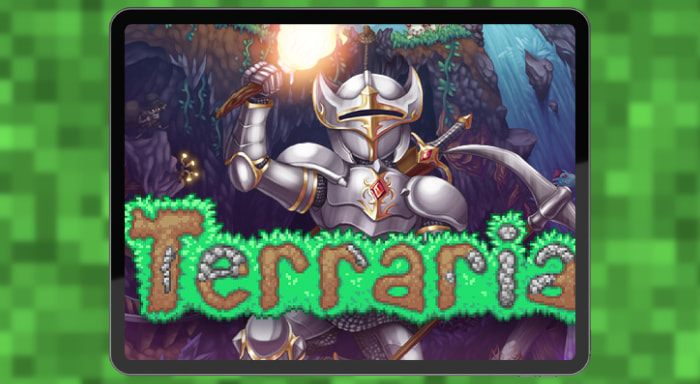
As you progress, crafting stations like workbenches, furnaces, and anvils expand what you’re able to create.
This system gives players a lot of freedom to specialize. You might focus on heavy armor and durability, invest in powerful magic builds, or create structures that make exploration safer and more efficient.
It’s a flexible system that adapts to different playstyles.
Available Platforms
Terraria is widely accessible and available across multiple platforms:
- PC
- PlayStation 4 (and playable on PlayStation 5)
- Xbox One and Series X|S
- Nintendo Switch
- Mobile devices (iOS and Android)
- Legacy versions on older consoles
This broad availability has helped make it one of the most accessible sandbox games out there.
The Terraria Experience: Exploration, Pace, and Atmosphere
One of Terraria’s greatest strengths is its atmosphere. The soundtrack shifts depending on the biome, creating distinct moods as you explore. The pacing feels natural, moving smoothly between gathering resources, building, and combat.
Despite its simple appearance, the pixel art is full of personality. Every creature, biome, and item feels distinct, and the world itself feels alive. It reacts to your progress, changes with weather and random events, and follows a dynamic day-night cycle.
Exploring underground is where the game truly shines. You’ll navigate natural labyrinths filled with lava, hidden chests, and aggressive enemies, making each expedition feel tense and unpredictable.
Biomes and Secrets That Shape the Adventure
The world of Terraria is divided into a wide variety of biomes, each with its own visual style, resources, and enemies. From forests and deserts to tundras, jungles, and oceans, every region offers something different.
Some biomes, like Corruption, Crimson, and Hallow, actively spread across the map, altering the environment and introducing new challenges as you progress. Beneath the surface, the world becomes even more complex, with underground biomes hiding caves, lava lakes, and secret structures.
Exploration is consistently rewarding, especially for players willing to dig deeper. Hidden temples, dungeons, and rare loot are often guarded by powerful enemies, creating a strong sense of risk and reward.
Equipment, Accessories, and Combat Styles
Terraria offers an impressive variety of gear, allowing players to experiment with different combat approaches. There are four main styles:
- Melee
- Ranged
- Magic
- Summoner
Each comes with its own strengths and dedicated equipment, encouraging players to adapt their strategy depending on the situation.
Accessories add another layer of depth. They can boost stats, grant new abilities, and even be combined into more powerful items, making character customization a key part of progression.
Building Towns and Interacting with NPCs
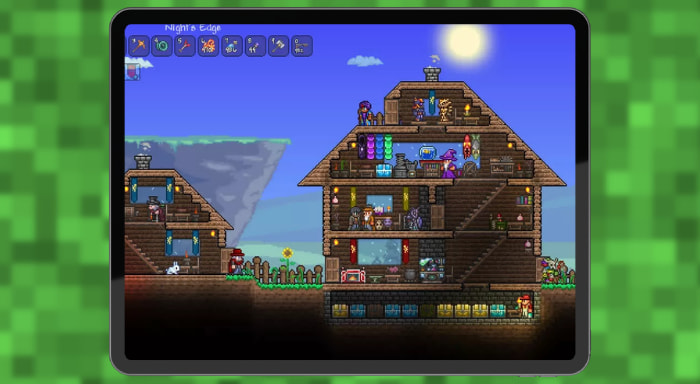
Building in Terraria isn’t just about creativity—it’s essential for progression. When you create suitable housing, NPCs begin to move in, including merchants, healers, and other useful characters.
These NPCs provide important services like selling items, offering upgrades, and helping in different ways throughout your journey. Developing a well-organized town not only makes progression smoother but also gives your world a stronger sense of identity.
Is Terraria Worth Playing?
Terraria stands out as one of the most complete sandbox experiences available. It combines creative freedom, deep combat systems, rewarding progression, and constant exploration in a way that feels natural and engaging.
Whether you’re looking for a long-term adventure or something you can enjoy in shorter sessions, the game adapts easily. Its huge variety of items, biomes, and challenges ensures that it stays fresh for a long time.
The Enduring Appeal of Terraria
Terraria has earned its place among the greats by striking a balance between creativity, challenge, and freedom.
Every world feels like a new story, every cave holds the potential for discovery, and every boss unlocks new possibilities.
It doesn’t dictate how you should play—it simply gives you the tools and invites you to explore.
Whether you prefer building, fighting, mining, or uncovering secrets, Terraria offers an experience that remains engaging long after you start.